Professionals guiding the recovery process play a critical role in helping individuals overcome substance use and mental health challenges. Having the right support team significantly increases the chances of achieving long-term, sustainable healing.
Recovery is rarely a solo journey. Trained professionals bring clinical expertise, emotional support, and structured care that individuals simply cannot access on their own. Understanding who these professionals are and what they do helps families make informed decisions at every stage of treatment.
Key Takeaways
- According to SAMHSA, only about 10% of people with a substance use disorder receive specialty treatment, often due to a lack of professional guidance and access.
- A multidisciplinary care team, including therapists, counselors, and medical staff, improves treatment outcomes compared to single-provider care.
- Licensed addiction counselors, psychiatrists, social workers, and peer recovery coaches each serve a distinct and important role in the healing process.
- Early professional intervention reduces the risk of relapse and helps individuals build lasting coping strategies.
- Family involvement, guided by trained professionals, strengthens recovery networks and improves long-term success rates.
Who Are the Professionals in Recovery?
The recovery process involves several types of trained professionals, each contributing unique skills. These roles work together to address the physical, emotional, and social dimensions of addiction and mental health. No single professional can cover every need a person in recovery may have.
Licensed Addiction Counselors
Licensed addiction counselors work directly with individuals to address the behavioral patterns and emotional triggers behind substance use. They develop personalized treatment plans based on clinical assessments. Sessions may be one-on-one, group-based, or family-focused, depending on individual needs and treatment stage.
Psychiatrists and Medical Doctors
Psychiatrists and physicians manage the medical side of recovery, including medication-assisted treatment (MAT) and co-occurring mental health conditions. They assess withdrawal risks and prescribe medications such as buprenorphine or naltrexone when appropriate. Medical oversight is especially important during the early detox phase, where health risks are highest.
Social Workers and Case Managers
Social workers connect individuals with community resources, housing, employment support, and legal assistance. Case managers coordinate care across providers to ensure nothing falls through the cracks. They are particularly valuable for individuals facing multiple barriers to recovery beyond the clinical setting.
Peer Recovery Coaches
Peer recovery coaches are individuals with lived experience in addiction who guide others through the recovery journey. They offer accountability, empathy, and practical insight that clinical professionals may not provide. Research shows that peer support significantly improves engagement and retention in treatment programs.
How Professionals Structure the Recovery Process
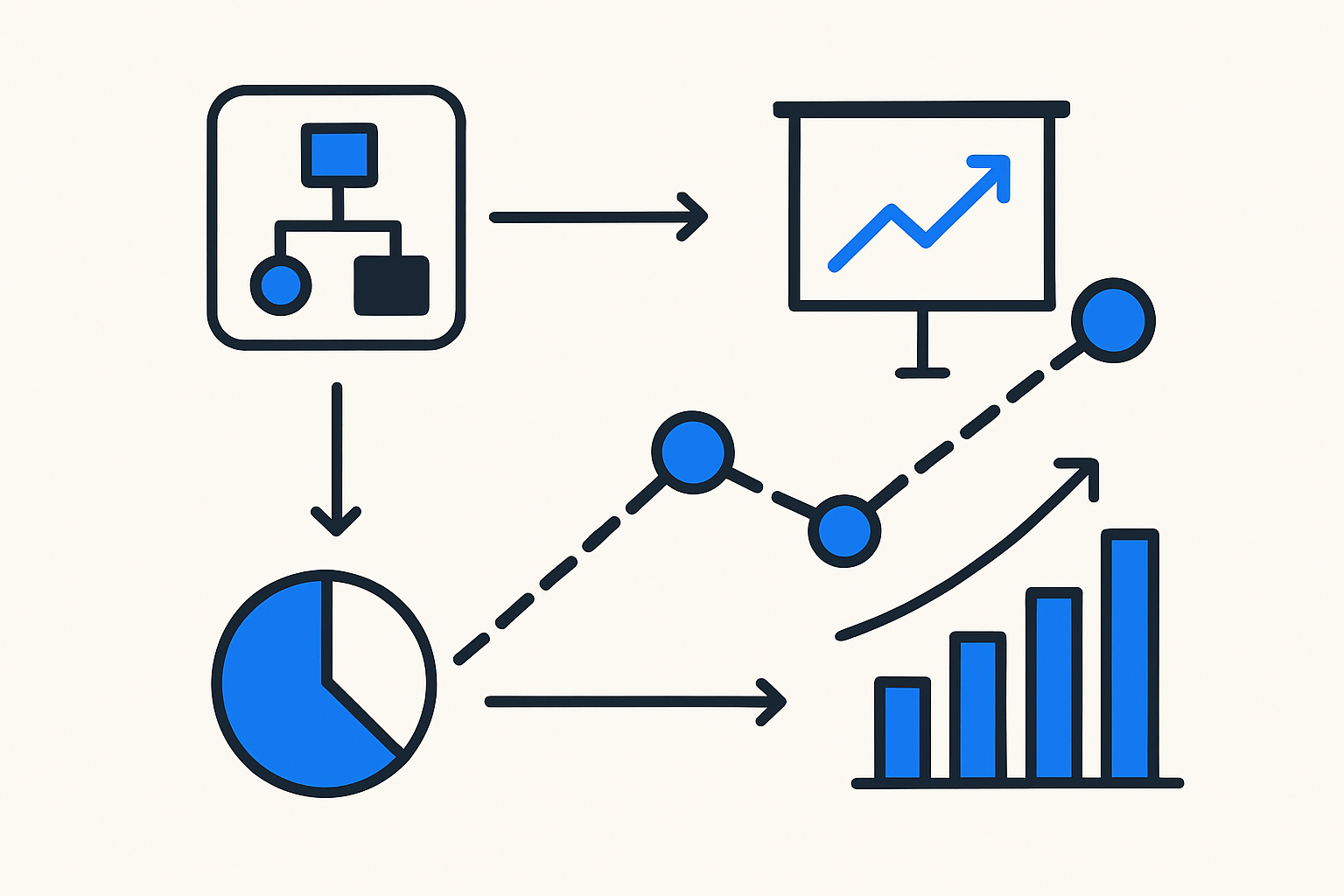
Professionals guide recovery through a structured sequence of phases, beginning with assessment and moving through detox, therapy, and aftercare. Each phase involves specific goals and professional involvement. Having a clear roadmap reduces anxiety and helps individuals commit to the process with greater confidence.
Assessment and Diagnosis
The recovery process begins with a comprehensive assessment conducted by a licensed clinician or physician. This evaluation covers substance use history, mental health status, medical conditions, and social circumstances. The results determine the appropriate level of care, whether outpatient, intensive outpatient, or residential treatment.
Developing a Personalized Treatment Plan
After assessment, the care team creates a personalized treatment plan that outlines specific goals, therapies, and timelines. Plans are regularly reviewed and adjusted as progress is made. This flexibility ensures the treatment remains relevant and effective as the individual's needs evolve throughout recovery.
Ongoing Therapy and Skill Building
Therapists use evidence-based approaches such as cognitive behavioral therapy (CBT), dialectical behavior therapy (DBT), and motivational interviewing to help individuals build coping skills. These methods address the root causes of substance use and mental health struggles. Regular sessions provide a consistent space for reflection, growth, and accountability.
Aftercare and Relapse Prevention
Aftercare planning is one of the most important steps professionals take before a client leaves a formal program. It typically includes ongoing therapy, support group referrals, and check-in schedules. Solid aftercare reduces relapse risk and helps individuals maintain the gains they worked hard to achieve during treatment.
The Role of Families in Professional-Guided Recovery
Professionals increasingly involve family members in the recovery process because strong support networks improve outcomes. Family therapy sessions help loved ones understand addiction as a health condition rather than a moral failing. Educated families provide better support, set healthier boundaries, and reduce the household stress that can trigger relapse.
Family Therapy and Education
Licensed therapists lead structured family sessions to repair communication patterns and rebuild trust after substance use has damaged relationships. Psychoeducation helps family members recognize warning signs of relapse and understand how to respond effectively. These sessions benefit the entire family system, not just the person in recovery.
Finding the Right Professional Support Team
Choosing the right professionals requires careful consideration of credentials, treatment philosophy, and personal fit. A good provider listens actively, explains options clearly, and respects the individual's goals. Verifying licensure through state boards ensures the professionals involved meet established standards of care and ethical practice.
Questions to Ask a Potential Provider
Before committing to a provider or treatment program, ask about their experience with your specific substance use or mental health concern. Inquire about the therapies they use and whether they offer medication-assisted treatment. Also ask how they involve family members and how they handle potential relapse situations during treatment.
Frequently Asked Questions
What qualifications should an addiction counselor have?
An addiction counselor should hold a state-issued license such as LCDC, LAC, or CADC, depending on the state. They should have supervised clinical hours and training in evidence-based therapies. Verifying credentials through your state's licensing board is a straightforward way to confirm a counselor's qualifications before beginning treatment.
Can I recover without professional help?
Some individuals do achieve sobriety without formal treatment, but professional guidance significantly improves outcomes and reduces health risks. Detox from certain substances, such as alcohol or benzodiazepines, can be medically dangerous without supervision. Professionals also help address underlying mental health conditions that often drive substance use, which self-directed recovery rarely resolves.
How long does professional-guided recovery take?
Recovery timelines vary widely depending on the substance, the severity of use, and the presence of co-occurring mental health conditions. Most clinical guidelines recommend at least 90 days of structured treatment for meaningful progress. Aftercare and ongoing support often continue for months or years beyond the initial treatment phase.
Is medication-assisted treatment considered real recovery?
Yes. Medication-assisted treatment is a clinically validated, evidence-based approach recognized by major health organizations including SAMHSA and the National Institute on Drug Abuse. Medications like buprenorphine and methadone reduce cravings and withdrawal symptoms, helping individuals engage more fully in therapy and rebuild their lives without the constant pressure of physical dependence.
Bottom Line
Professionals guiding the recovery process provide the structure, expertise, and compassion that make lasting healing possible for individuals and families affected by substance use and mental health challenges.
If you are navigating recovery or supporting someone who is, ccswn.org offers accessible educational resources, treatment guidance, and community support to help you take the next step with confidence.
References
- Substance Abuse and Mental Health Services Administration. (2023). National Survey on Drug Use and Health (NSDUH). https://www.samhsa.gov/data/
- National Institute on Drug Abuse. (2023). Principles of drug addiction treatment: A research-based guide (3rd ed.). National Institutes of Health.
- Kelly, J. F., & Hoeppner, B. B. (2015). A biaxial formulation of the recovery construct. Addiction Research and Theory, 23(1), 5-11.
- Substance Abuse and Mental Health Services Administration. (2022). Medication-assisted treatment for opioid use disorder. https://www.samhsa.gov/medications-substance-use-disorders
- White, W. L. (2012). Peer-based addiction recovery support: History, theory, practice, and scientific evaluation. Great Lakes Addiction Technology Transfer Center.